
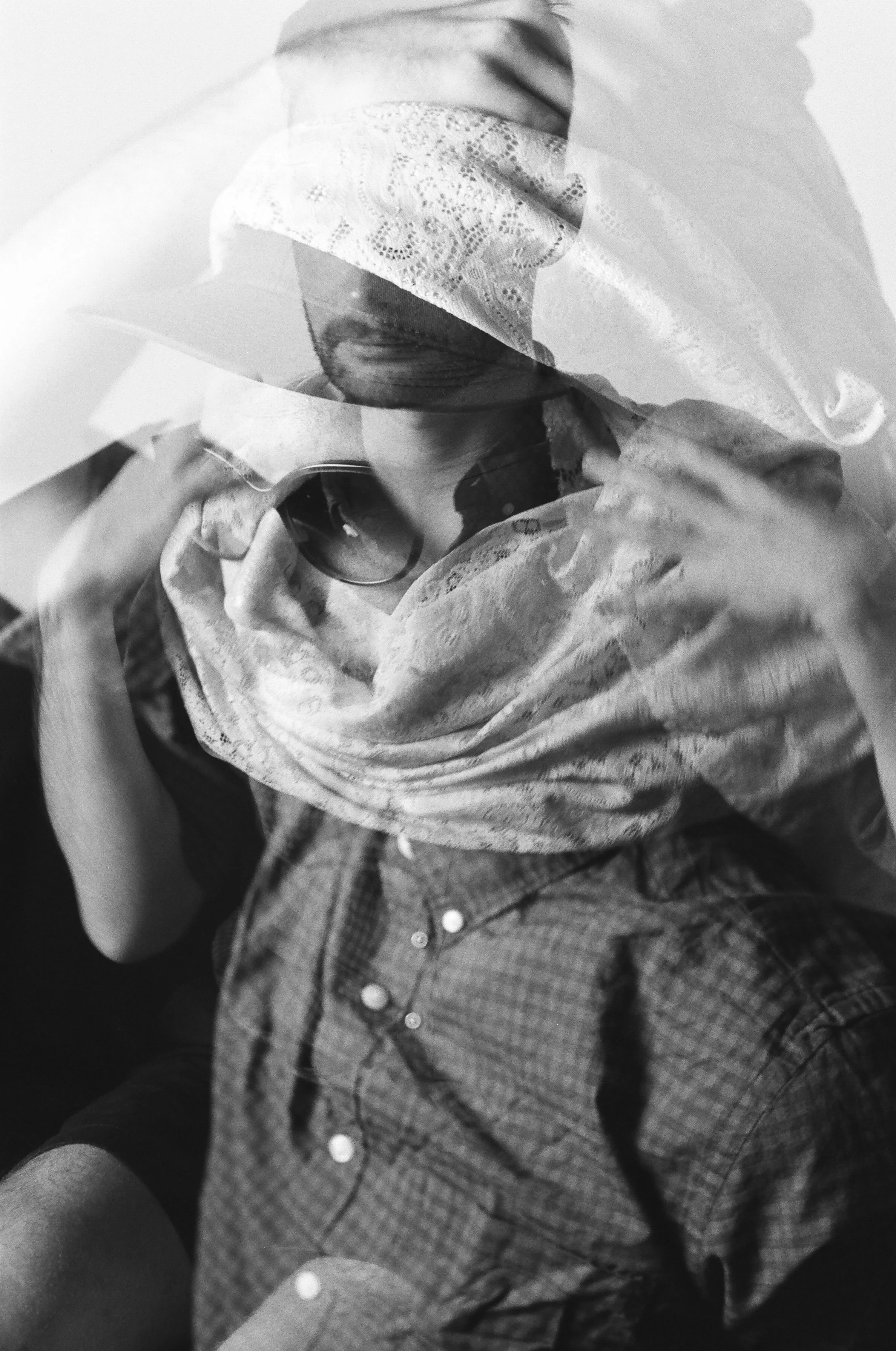
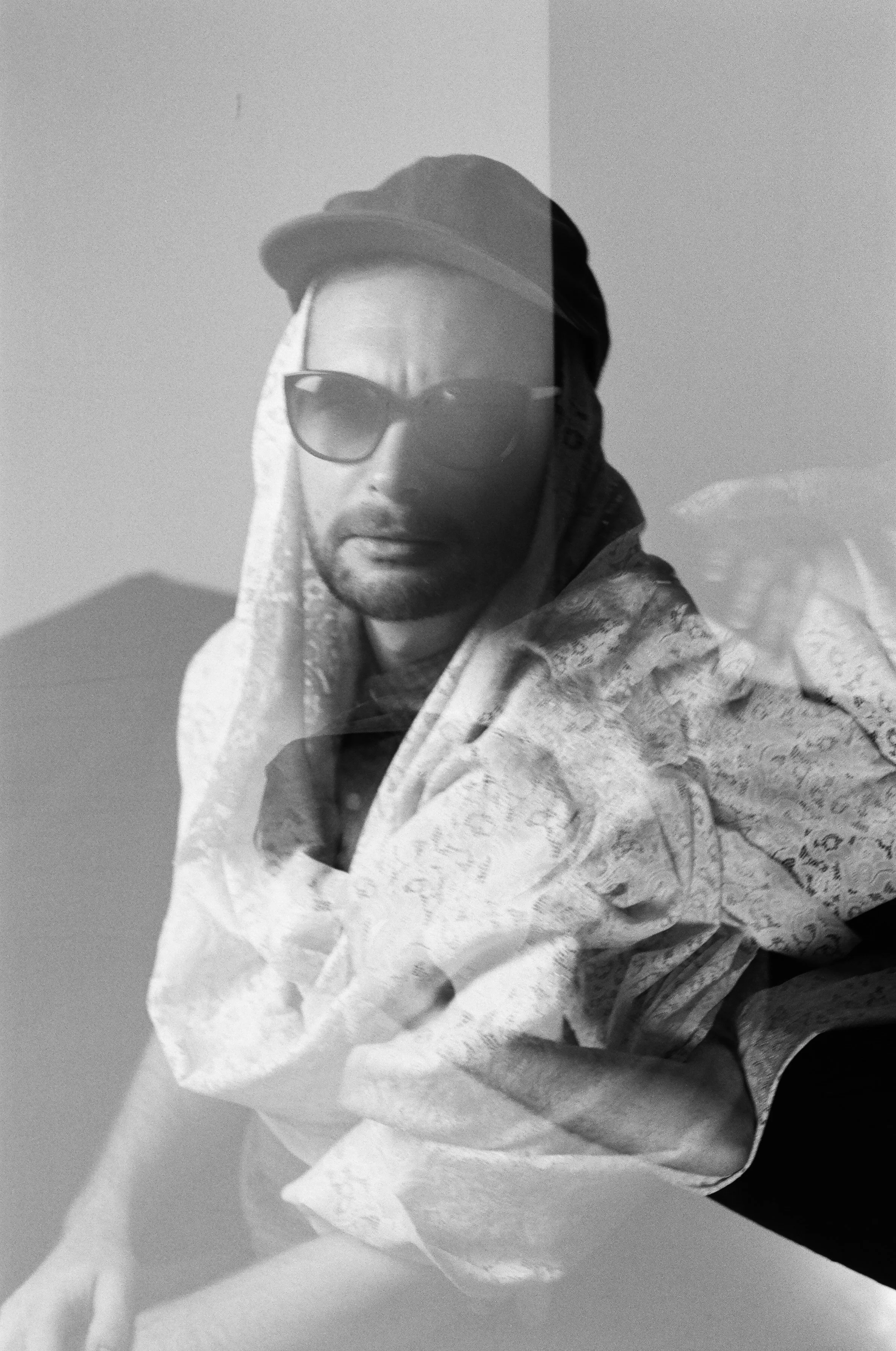
There’s a kind of portrait that doesn’t try to “explain” someone.
These images live in that space. A subject half-hidden, half-revealed. Fabric like weather. Light like memory. The face present, but not fully pinned down. It’s the visual equivalent of a sentence you don’t finish on purpose because the feeling matters more than the facts.
This post is for anyone drawn to that look. Whether you’re a photographer building a body of work, or someone considering a session that feels more like art than documentation, here’s what makes this style so timeless.
Why these portraits feel unforgettable
A traditional portrait says, “This is what someone looks like.”
A conceptual portrait says, “This is what it feels like to be near them.”
With double exposures, soft veils, and intentional blur, you’re not chasing sharpness. You’re chasing mood. The viewer does a little work. They lean in. They imagine the story. That participation creates intimacy, and intimacy is what makes an image stick.
The visual ingredients: blur, layering, and a little mystery
These photographs use a few classic elements that create that “dream-state” effect:
Layering: Multiple exposures or reflections introduce a second “voice” in the frame. The portrait becomes a conversation between versions of the same moment.
Diffusion: Fabric (lace, gauze, scarves) softens contrast and interrupts the gaze. It turns harsh edges into something more lyrical.
Motion: Slight movement in the hands, the cloth, or the camera gives the image breath. It feels lived-in instead of posed.
High-key light: Bright, minimal backgrounds keep the focus on shape and gesture, and give the photo an airy, editorial quiet.
The result is a portrait that feels modern, cinematic, and emotionally open-ended.
That one line immediately changes posture, expression, and energy. It encourages honesty, but it also gives the subject permission to perform a little. That mix is where the magic happens.
What this style communicates
These portraits often resonate with people who want images that feel like:
reinvention
grief and softness
confidence with edges
private strength
becoming
They’re perfect for artists, founders, musicians, and anyone stepping into a new chapter. Not because the photos “tell the whole story,” but because they honor complexity.
Closing thought
If you’re drawn to photographs that feel like memory, like dream, like truth you can’t quite name, this is your invitation to make them on purpose.